Context
The latest public dispute between Kyiv and Warsaw is no longer only about historical memory or domestic politics. It has become a security signal for the whole eastern flank of Europe. Poland remains one of Ukraine’s key logistics corridors, a hub for military aid and a political voice inside NATO and the EU. Any visible cooling between the two capitals is immediately read in Moscow as a possible weak point.
Pressure
The sharpest friction now sits around memory politics, election-season statements and the way both societies process wartime losses. Ukrainian officials need Polish infrastructure and diplomatic support, while Polish leaders must answer voters who expect a harder line on unresolved historical issues. That combination makes every phrase heavier than it looks.
Military impact
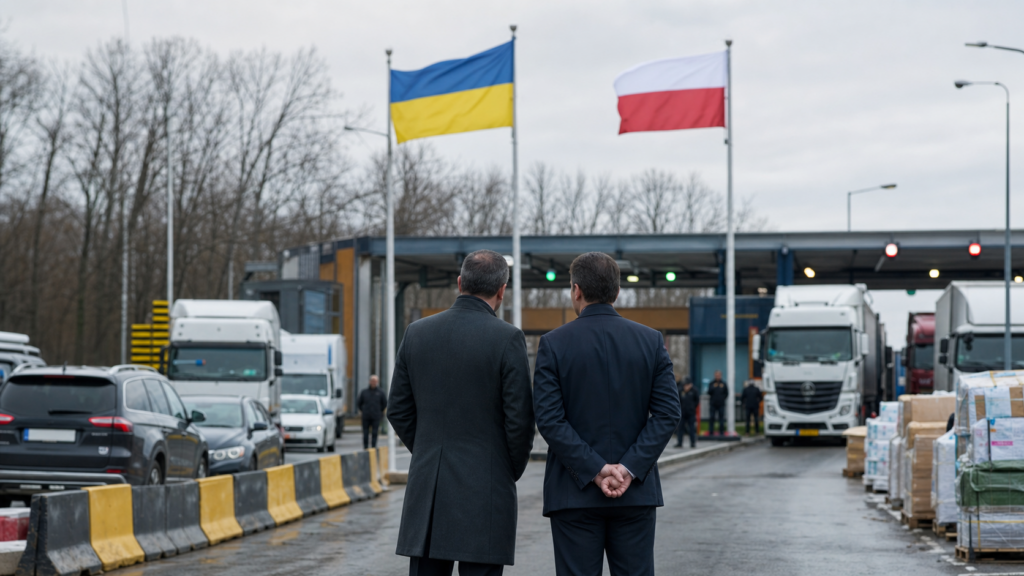
For defense planners, the danger is practical. Border queues, public accusations or delays in coordination can slow humanitarian cargo, spare parts and industrial cooperation. None of this means the alliance is breaking. It means the relationship has moved into a more demanding phase where emotional questions can affect operational tempo.
What comes next
The best outcome would be a disciplined split: historians and civil society handle memory disputes, while governments protect the military corridor, air defense cooperation and cross-border production. Ukraine and Poland still have more shared threats than shared arguments, but that advantage needs active management.
| Issue | Why it matters |
|---|---|
| Memory politics | Can quickly become a domestic campaign tool |
| Border logistics | Affects aid, repair chains and exports |
| NATO messaging | Signals unity or vulnerability to Russia |