What happened
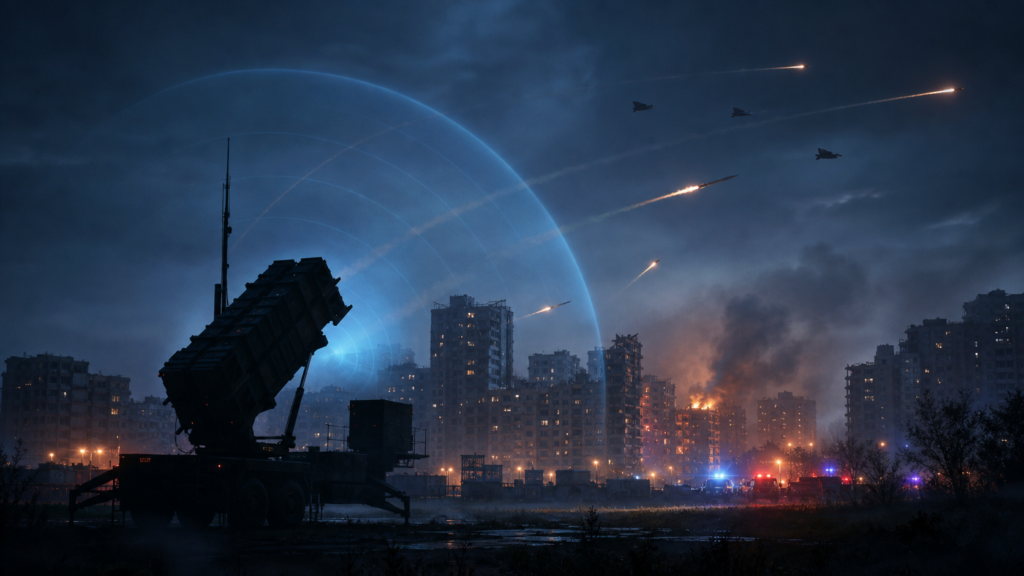
Russia’s July 6 missile and drone barrage against Kyiv and the wider region killed at least 22 people, according to Ukrainian officials cited by AP. The strike combined hundreds of drones with cruise and ballistic missiles, turning a civil-defense emergency into a strategic warning on the eve of NATO’s Ankara summit.
Why Patriots matter
Ukraine can often defeat drones and some cruise missiles when interceptors are available, but ballistic missiles remain the hardest threat. Ukrainian air force officials said all 29 ballistic missiles in the latest attack reached their targets, underlining how dependent Kyiv is on Patriot-class systems and scarce interceptor stocks.
The NATO summit pressure
The timing matters. Zelenskyy is using the summit week to press allies for faster air-defense deliveries, more production and licensed manufacturing inside Ukraine. The argument is no longer only humanitarian; every unfilled launcher and interceptor slot changes Russia’s calculation about how hard it can strike cities and energy nodes.
What to watch next
The immediate question is whether allies can move from pledges to measurable deliveries. For Ukraine, the critical metric is not summit language but the number of interceptors, launchers and trained crews arriving before Russia’s next large salvo.
| Signal | Defense implication |
|---|---|
| Ballistic leakage | Patriot-class interceptors are the urgent bottleneck |
| Civilian targeting | Air defense remains both military and social resilience |
| Summit timing | Kyiv will judge NATO by delivery speed |