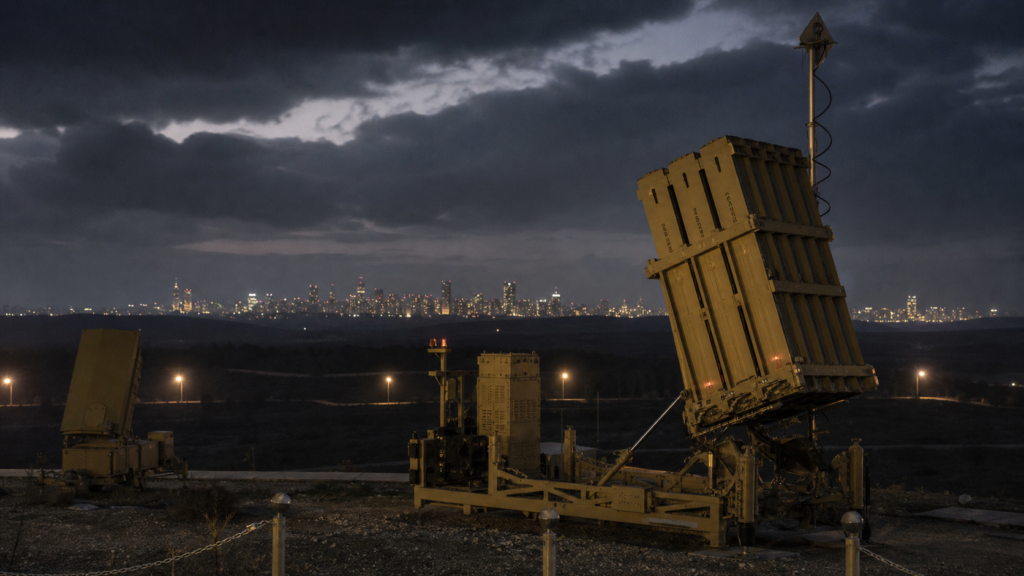
An Operational Need
Iron Dome: The System That Made Rocket Interception a Daily Defense Mission is best understood as part of a long historical arc rather than a single technical episode. Its importance came from the way it changed decisions: commanders could detect, prioritize, and respond faster than before. In air defense history, that speed often mattered more than raw firepower.
The system also shows how military technology survives when it can be adapted. Hardware designed for one era may become relevant again when the threat environment changes and doctrine learns to use it differently.
The Innovation of Target Selection
The Cold War and the conflicts that followed forced air defense designers to think in networks. Sensors, launchers, command posts, and communications had to work as one structure. A weapon that could not share information was less useful than a modest system connected to a resilient network.
This lesson shaped procurement, training, and operational planning for decades. The strongest defense was not a single battery, but a layered architecture that could absorb pressure and keep functioning.
Saturation and System Limits
Modern combat added a new economic dimension. Cheap drones, rockets, and missiles can impose disproportionate costs if every interception requires an expensive weapon. Historical systems are now judged by their cost per engagement, magazine depth, and ability to fit into a larger defensive picture.
That is why old concepts often return in updated form. Guns, radars, electronic warfare, and interceptor missiles all remain relevant when they solve the right problem at the right price.
Global Influence
The enduring lesson is that air defense is a contest of information, timing, and sustainability. The side that sees earlier, decides faster, and spends resources more wisely gains strategic resilience. Iron Dome: The System That Made Rocket Interception a Daily Defense Mission remains important because it illustrates that principle clearly.
For modern planners, the history is not nostalgia. It is a guide to building systems that can evolve under pressure, survive attrition, and protect both forces and civilian infrastructure.
| Component | Function |
|---|---|
| Radar | Launch detection and trajectory tracking |
| Battle management | Impact prediction and fire decision |
| Launcher | Tamir interceptor launch |
| Priority algorithm | Interceptor economy |