The strategic stakes and the limits of German assumptions
The Battle of Britain in the summer and autumn of 1940 was not simply a contest between individual fighter pilots. It was a campaign in which technology, command systems, industrial capacity, intelligence, weather, and political purpose interacted every day. Nazi Germany needed to weaken British air defenses before any plausible invasion of the United Kingdom, while Britain needed to preserve its air force, protect key infrastructure, and demonstrate that it would continue the war. The result is often remembered through dramatic aircraft and famous speeches, but its most useful historical lesson is organizational. British defenses worked because radar stations, observers, operations rooms, maintenance units, airfields, and squadrons were connected into a system that turned limited warning into timely decisions. The campaign shows that military effectiveness comes not only from better equipment, but from the way information, people, and resources are coordinated under pressure.
After the fall of France, Germany faced the question of how to compel Britain to make peace or prepare for Operation Sea Lion, a cross-Channel invasion. The Luftwaffe was ordered to gain air superiority, but this required destroying or disrupting Fighter Command more thoroughly than German planners initially understood. Britain could concentrate defenses close to home, use interior lines, repair aircraft, and rotate pilots more effectively than a force flying from continental bases. German intelligence also misread the size, deployment, and resilience of British fighter strength. These errors mattered because an air campaign is not measured only by claims of aircraft destroyed. It depends on whether the defender can still generate sorties, replace losses, keep airfields open, and receive warning in time. The battle became a prolonged test of those underlying capacities rather than a quick knockout blow.
The Battle of Britain in the summer and autumn of 1940 was not simply a contest between individual fighter pilots. It was a campaign in which technology, command systems, industrial capacity, intelligence, weather, and political purpose interacted every day. Nazi Germany needed to weaken British air defenses before any plausible invasion of the United Kingdom, while Britain needed to preserve its air force, protect key infrastructure, and demonstrate that it would continue the war. The result is often remembered through dramatic aircraft and famous speeches, but its most useful historical lesson is organizational. British defenses worked because radar stations, observers, operations rooms, maintenance units, airfields, and squadrons were connected into a system that turned limited warning into timely decisions. The campaign shows that military effectiveness comes not only from better equipment, but from the way information, people, and resources are coordinated under pressure.
After the fall of France, Germany faced the question of how to compel Britain to make peace or prepare for Operation Sea Lion, a cross-Channel invasion. The Luftwaffe was ordered to gain air superiority, but this required destroying or disrupting Fighter Command more thoroughly than German planners initially understood. Britain could concentrate defenses close to home, use interior lines, repair aircraft, and rotate pilots more effectively than a force flying from continental bases. German intelligence also misread the size, deployment, and resilience of British fighter strength. These errors mattered because an air campaign is not measured only by claims of aircraft destroyed. It depends on whether the defender can still generate sorties, replace losses, keep airfields open, and receive warning in time. The battle became a prolonged test of those underlying capacities rather than a quick knockout blow.
The Battle of Britain in the summer and autumn of 1940 was not simply a contest between individual fighter pilots. It was a campaign in which technology, command systems, industrial capacity, intelligence, weather, and political purpose interacted every day. Nazi Germany needed to weaken British air defenses before any plausible invasion of the United Kingdom, while Britain needed to preserve its air force, protect key infrastructure, and demonstrate that it would continue the war. The result is often remembered through dramatic aircraft and famous speeches, but its most useful historical lesson is organizational. British defenses worked because radar stations, observers, operations rooms, maintenance units, airfields, and squadrons were connected into a system that turned limited warning into timely decisions. The campaign shows that military effectiveness comes not only from better equipment, but from the way information, people, and resources are coordinated under pressure.
After the fall of France, Germany faced the question of how to compel Britain to make peace or prepare for Operation Sea Lion, a cross-Channel invasion. The Luftwaffe was ordered to gain air superiority, but this required destroying or disrupting Fighter Command more thoroughly than German planners initially understood. Britain could concentrate defenses close to home, use interior lines, repair aircraft, and rotate pilots more effectively than a force flying from continental bases. German intelligence also misread the size, deployment, and resilience of British fighter strength. These errors mattered because an air campaign is not measured only by claims of aircraft destroyed. It depends on whether the defender can still generate sorties, replace losses, keep airfields open, and receive warning in time. The battle became a prolonged test of those underlying capacities rather than a quick knockout blow.
| Date | Development | Why it mattered |
|---|---|---|
| July 1940 | Channel fighting intensifies | The campaign begins to test British defenses |
| August 1940 | Airfields and radar sites attacked | Fighter Command faces sustained pressure |
| 15 August 1940 | Large Luftwaffe raids fail | German losses expose limits of the offensive |
| 7 September 1940 | Major raids shift to London | Pressure on some fighter infrastructure eases |
| 31 October 1940 | Main daylight campaign ends | Germany has failed to gain air superiority |
Radar, observers, and the Dowding system
The Battle of Britain in the summer and autumn of 1940 was not simply a contest between individual fighter pilots. It was a campaign in which technology, command systems, industrial capacity, intelligence, weather, and political purpose interacted every day. Nazi Germany needed to weaken British air defenses before any plausible invasion of the United Kingdom, while Britain needed to preserve its air force, protect key infrastructure, and demonstrate that it would continue the war. The result is often remembered through dramatic aircraft and famous speeches, but its most useful historical lesson is organizational. British defenses worked because radar stations, observers, operations rooms, maintenance units, airfields, and squadrons were connected into a system that turned limited warning into timely decisions. The campaign shows that military effectiveness comes not only from better equipment, but from the way information, people, and resources are coordinated under pressure.
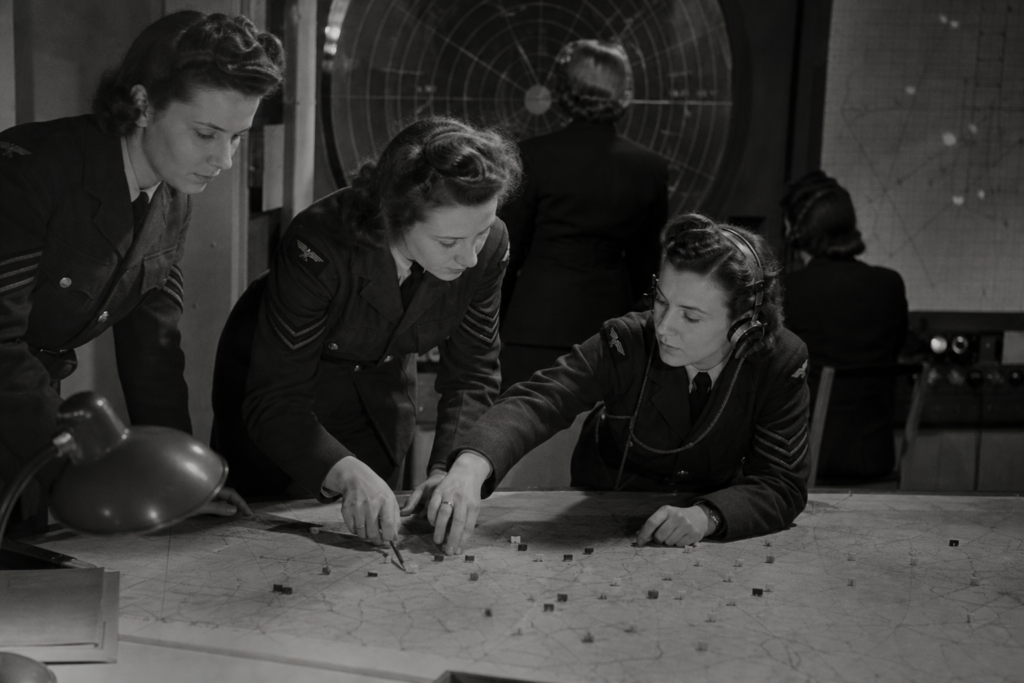
Britain’s Chain Home radar stations did not win the battle alone. Their value came from integration with the Royal Observer Corps, telephone networks, filter rooms, group headquarters, and sector operations rooms. Radar provided early warning of formations approaching the coast; observers helped track aircraft once they passed beyond radar coverage or descended; controllers then directed squadrons toward a likely interception point. Air Chief Marshal Hugh Dowding’s command structure aimed to avoid wasting fighters in constant standing patrols. Instead, aircraft could remain on the ground until information justified a scramble. This saved fuel, reduced fatigue, and allowed a smaller force to meet raids at useful moments. The system was imperfect, sometimes overloaded, and dependent on trained personnel, but it created a decision advantage that German attackers struggled to match.
The Battle of Britain in the summer and autumn of 1940 was not simply a contest between individual fighter pilots. It was a campaign in which technology, command systems, industrial capacity, intelligence, weather, and political purpose interacted every day. Nazi Germany needed to weaken British air defenses before any plausible invasion of the United Kingdom, while Britain needed to preserve its air force, protect key infrastructure, and demonstrate that it would continue the war. The result is often remembered through dramatic aircraft and famous speeches, but its most useful historical lesson is organizational. British defenses worked because radar stations, observers, operations rooms, maintenance units, airfields, and squadrons were connected into a system that turned limited warning into timely decisions. The campaign shows that military effectiveness comes not only from better equipment, but from the way information, people, and resources are coordinated under pressure.
Britain’s Chain Home radar stations did not win the battle alone. Their value came from integration with the Royal Observer Corps, telephone networks, filter rooms, group headquarters, and sector operations rooms. Radar provided early warning of formations approaching the coast; observers helped track aircraft once they passed beyond radar coverage or descended; controllers then directed squadrons toward a likely interception point. Air Chief Marshal Hugh Dowding’s command structure aimed to avoid wasting fighters in constant standing patrols. Instead, aircraft could remain on the ground until information justified a scramble. This saved fuel, reduced fatigue, and allowed a smaller force to meet raids at useful moments. The system was imperfect, sometimes overloaded, and dependent on trained personnel, but it created a decision advantage that German attackers struggled to match.
The Battle of Britain in the summer and autumn of 1940 was not simply a contest between individual fighter pilots. It was a campaign in which technology, command systems, industrial capacity, intelligence, weather, and political purpose interacted every day. Nazi Germany needed to weaken British air defenses before any plausible invasion of the United Kingdom, while Britain needed to preserve its air force, protect key infrastructure, and demonstrate that it would continue the war. The result is often remembered through dramatic aircraft and famous speeches, but its most useful historical lesson is organizational. British defenses worked because radar stations, observers, operations rooms, maintenance units, airfields, and squadrons were connected into a system that turned limited warning into timely decisions. The campaign shows that military effectiveness comes not only from better equipment, but from the way information, people, and resources are coordinated under pressure.
Britain’s Chain Home radar stations did not win the battle alone. Their value came from integration with the Royal Observer Corps, telephone networks, filter rooms, group headquarters, and sector operations rooms. Radar provided early warning of formations approaching the coast; observers helped track aircraft once they passed beyond radar coverage or descended; controllers then directed squadrons toward a likely interception point. Air Chief Marshal Hugh Dowding’s command structure aimed to avoid wasting fighters in constant standing patrols. Instead, aircraft could remain on the ground until information justified a scramble. This saved fuel, reduced fatigue, and allowed a smaller force to meet raids at useful moments. The system was imperfect, sometimes overloaded, and dependent on trained personnel, but it created a decision advantage that German attackers struggled to match.
Attrition, airfields, and the turn toward London
The Battle of Britain in the summer and autumn of 1940 was not simply a contest between individual fighter pilots. It was a campaign in which technology, command systems, industrial capacity, intelligence, weather, and political purpose interacted every day. Nazi Germany needed to weaken British air defenses before any plausible invasion of the United Kingdom, while Britain needed to preserve its air force, protect key infrastructure, and demonstrate that it would continue the war. The result is often remembered through dramatic aircraft and famous speeches, but its most useful historical lesson is organizational. British defenses worked because radar stations, observers, operations rooms, maintenance units, airfields, and squadrons were connected into a system that turned limited warning into timely decisions. The campaign shows that military effectiveness comes not only from better equipment, but from the way information, people, and resources are coordinated under pressure.
During August and early September, the Luftwaffe attacked airfields, radar sites, aircraft factories, and sector stations. Fighter Command was under genuine strain: pilots were tired, aircraft were damaged, and some control facilities were vulnerable. Yet attacks were not always sustained against the most important nodes, and repairs often restored damaged infrastructure quickly. A major shift followed German raids on London and the British response against Berlin. The Luftwaffe increasingly concentrated on London, beginning the Blitz. This inflicted terrible civilian suffering, but it reduced immediate pressure on several Fighter Command installations just when German air superiority remained unachieved. The change demonstrates a recurring operational lesson. Attacking visible or politically symbolic targets can divert effort from the systems that actually determine an opponent’s ability to fight.
The Battle of Britain in the summer and autumn of 1940 was not simply a contest between individual fighter pilots. It was a campaign in which technology, command systems, industrial capacity, intelligence, weather, and political purpose interacted every day. Nazi Germany needed to weaken British air defenses before any plausible invasion of the United Kingdom, while Britain needed to preserve its air force, protect key infrastructure, and demonstrate that it would continue the war. The result is often remembered through dramatic aircraft and famous speeches, but its most useful historical lesson is organizational. British defenses worked because radar stations, observers, operations rooms, maintenance units, airfields, and squadrons were connected into a system that turned limited warning into timely decisions. The campaign shows that military effectiveness comes not only from better equipment, but from the way information, people, and resources are coordinated under pressure.
During August and early September, the Luftwaffe attacked airfields, radar sites, aircraft factories, and sector stations. Fighter Command was under genuine strain: pilots were tired, aircraft were damaged, and some control facilities were vulnerable. Yet attacks were not always sustained against the most important nodes, and repairs often restored damaged infrastructure quickly. A major shift followed German raids on London and the British response against Berlin. The Luftwaffe increasingly concentrated on London, beginning the Blitz. This inflicted terrible civilian suffering, but it reduced immediate pressure on several Fighter Command installations just when German air superiority remained unachieved. The change demonstrates a recurring operational lesson. Attacking visible or politically symbolic targets can divert effort from the systems that actually determine an opponent’s ability to fight.
The Battle of Britain in the summer and autumn of 1940 was not simply a contest between individual fighter pilots. It was a campaign in which technology, command systems, industrial capacity, intelligence, weather, and political purpose interacted every day. Nazi Germany needed to weaken British air defenses before any plausible invasion of the United Kingdom, while Britain needed to preserve its air force, protect key infrastructure, and demonstrate that it would continue the war. The result is often remembered through dramatic aircraft and famous speeches, but its most useful historical lesson is organizational. British defenses worked because radar stations, observers, operations rooms, maintenance units, airfields, and squadrons were connected into a system that turned limited warning into timely decisions. The campaign shows that military effectiveness comes not only from better equipment, but from the way information, people, and resources are coordinated under pressure.
During August and early September, the Luftwaffe attacked airfields, radar sites, aircraft factories, and sector stations. Fighter Command was under genuine strain: pilots were tired, aircraft were damaged, and some control facilities were vulnerable. Yet attacks were not always sustained against the most important nodes, and repairs often restored damaged infrastructure quickly. A major shift followed German raids on London and the British response against Berlin. The Luftwaffe increasingly concentrated on London, beginning the Blitz. This inflicted terrible civilian suffering, but it reduced immediate pressure on several Fighter Command installations just when German air superiority remained unachieved. The change demonstrates a recurring operational lesson. Attacking visible or politically symbolic targets can divert effort from the systems that actually determine an opponent’s ability to fight.
Legacy: integrated air defense and historical memory
The Battle of Britain in the summer and autumn of 1940 was not simply a contest between individual fighter pilots. It was a campaign in which technology, command systems, industrial capacity, intelligence, weather, and political purpose interacted every day. Nazi Germany needed to weaken British air defenses before any plausible invasion of the United Kingdom, while Britain needed to preserve its air force, protect key infrastructure, and demonstrate that it would continue the war. The result is often remembered through dramatic aircraft and famous speeches, but its most useful historical lesson is organizational. British defenses worked because radar stations, observers, operations rooms, maintenance units, airfields, and squadrons were connected into a system that turned limited warning into timely decisions. The campaign shows that military effectiveness comes not only from better equipment, but from the way information, people, and resources are coordinated under pressure.
The Battle of Britain became a powerful symbol of resistance, but its legacy is broader than national mythology. It demonstrated the value of integrated air defense: sensors, communications, command, fighters, maintenance, rescue, civil defense, and industrial replacement must function together. It also showed that civilians are central to air war. London and other cities suffered bombing, while ground crews, factory workers, observers, and emergency services made continued defense possible. The campaign did not end the war or remove the danger of invasion instantly, but it denied Germany the air superiority required for Sea Lion and ensured that Britain remained an active base for the later Allied return to Europe. Studying the battle carefully means respecting individual courage while also recognizing the institutions and infrastructure that made that courage strategically effective.
The Battle of Britain in the summer and autumn of 1940 was not simply a contest between individual fighter pilots. It was a campaign in which technology, command systems, industrial capacity, intelligence, weather, and political purpose interacted every day. Nazi Germany needed to weaken British air defenses before any plausible invasion of the United Kingdom, while Britain needed to preserve its air force, protect key infrastructure, and demonstrate that it would continue the war. The result is often remembered through dramatic aircraft and famous speeches, but its most useful historical lesson is organizational. British defenses worked because radar stations, observers, operations rooms, maintenance units, airfields, and squadrons were connected into a system that turned limited warning into timely decisions. The campaign shows that military effectiveness comes not only from better equipment, but from the way information, people, and resources are coordinated under pressure.
The Battle of Britain became a powerful symbol of resistance, but its legacy is broader than national mythology. It demonstrated the value of integrated air defense: sensors, communications, command, fighters, maintenance, rescue, civil defense, and industrial replacement must function together. It also showed that civilians are central to air war. London and other cities suffered bombing, while ground crews, factory workers, observers, and emergency services made continued defense possible. The campaign did not end the war or remove the danger of invasion instantly, but it denied Germany the air superiority required for Sea Lion and ensured that Britain remained an active base for the later Allied return to Europe. Studying the battle carefully means respecting individual courage while also recognizing the institutions and infrastructure that made that courage strategically effective.
The Battle of Britain in the summer and autumn of 1940 was not simply a contest between individual fighter pilots. It was a campaign in which technology, command systems, industrial capacity, intelligence, weather, and political purpose interacted every day. Nazi Germany needed to weaken British air defenses before any plausible invasion of the United Kingdom, while Britain needed to preserve its air force, protect key infrastructure, and demonstrate that it would continue the war. The result is often remembered through dramatic aircraft and famous speeches, but its most useful historical lesson is organizational. British defenses worked because radar stations, observers, operations rooms, maintenance units, airfields, and squadrons were connected into a system that turned limited warning into timely decisions. The campaign shows that military effectiveness comes not only from better equipment, but from the way information, people, and resources are coordinated under pressure.
The Battle of Britain became a powerful symbol of resistance, but its legacy is broader than national mythology. It demonstrated the value of integrated air defense: sensors, communications, command, fighters, maintenance, rescue, civil defense, and industrial replacement must function together. It also showed that civilians are central to air war. London and other cities suffered bombing, while ground crews, factory workers, observers, and emergency services made continued defense possible. The campaign did not end the war or remove the danger of invasion instantly, but it denied Germany the air superiority required for Sea Lion and ensured that Britain remained an active base for the later Allied return to Europe. Studying the battle carefully means respecting individual courage while also recognizing the institutions and infrastructure that made that courage strategically effective.