A wider strike belt
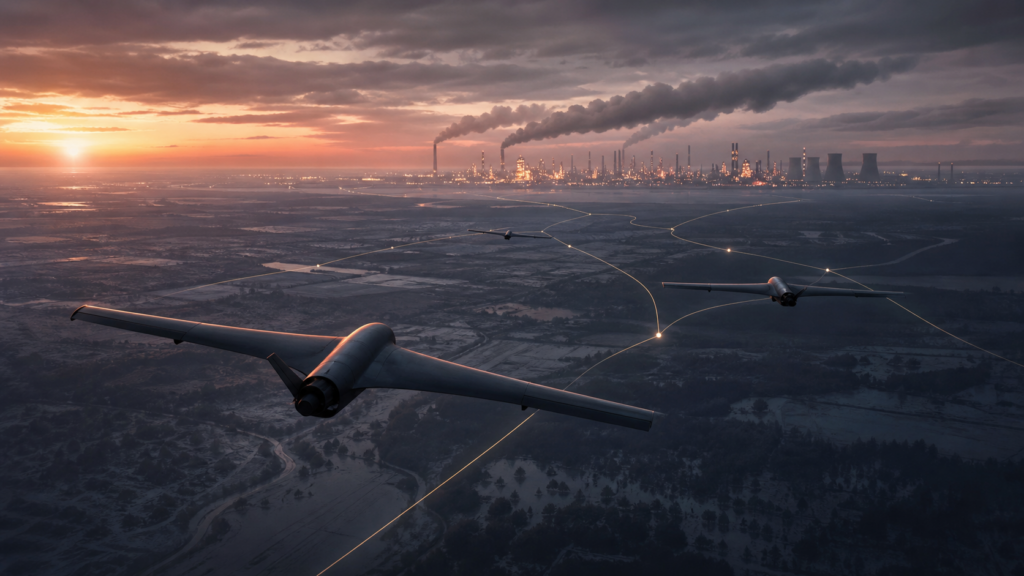
AP reported that Ukrainian midrange drones are reshaping the battlefield by striking supply lines well behind Russian positions. The zone between roughly 25 and 200 kilometers from the front, once harder for Ukraine to reach at scale, is becoming a persistent pressure area.
Why logistics matter
The operational value is not only the damage from a single strike. Fuel, ammunition, repair vehicles and troop movement all depend on predictable routes. When drones make those routes risky, Russia must spend more time on dispersion, escort, camouflage and rerouting.
Russia's adaptation
Moscow is adapting with air-defense shifts, mobile fire groups and electronic warfare. But each layer of defense pulls resources away from other missions. Ukraine’s advantage is the ability to iterate drone software, communications and targeting faster than heavy logistics systems can be redesigned.
The next contest
The next phase will be a contest of endurance. If Ukraine can keep production high and intelligence fresh, drone pressure will slow Russian tempo. If Russia improves jamming and point defense faster, the strike belt could become more expensive for Kyiv to maintain.
| Target set | Effect |
|---|---|
| Fuel and depots | Raises sustainment costs |
| Road and rail routes | Forces detours and delays |
| Air-defense shifts | Creates pressure on other protected areas |